AlterNative
Altitude
6,146 m
Co-ordinates
Duration
113 day
Best Season
Spring (March to May) & Autumn (September to November)
Activity
5-6 hrs walking
Trip Grade
East/Moderate
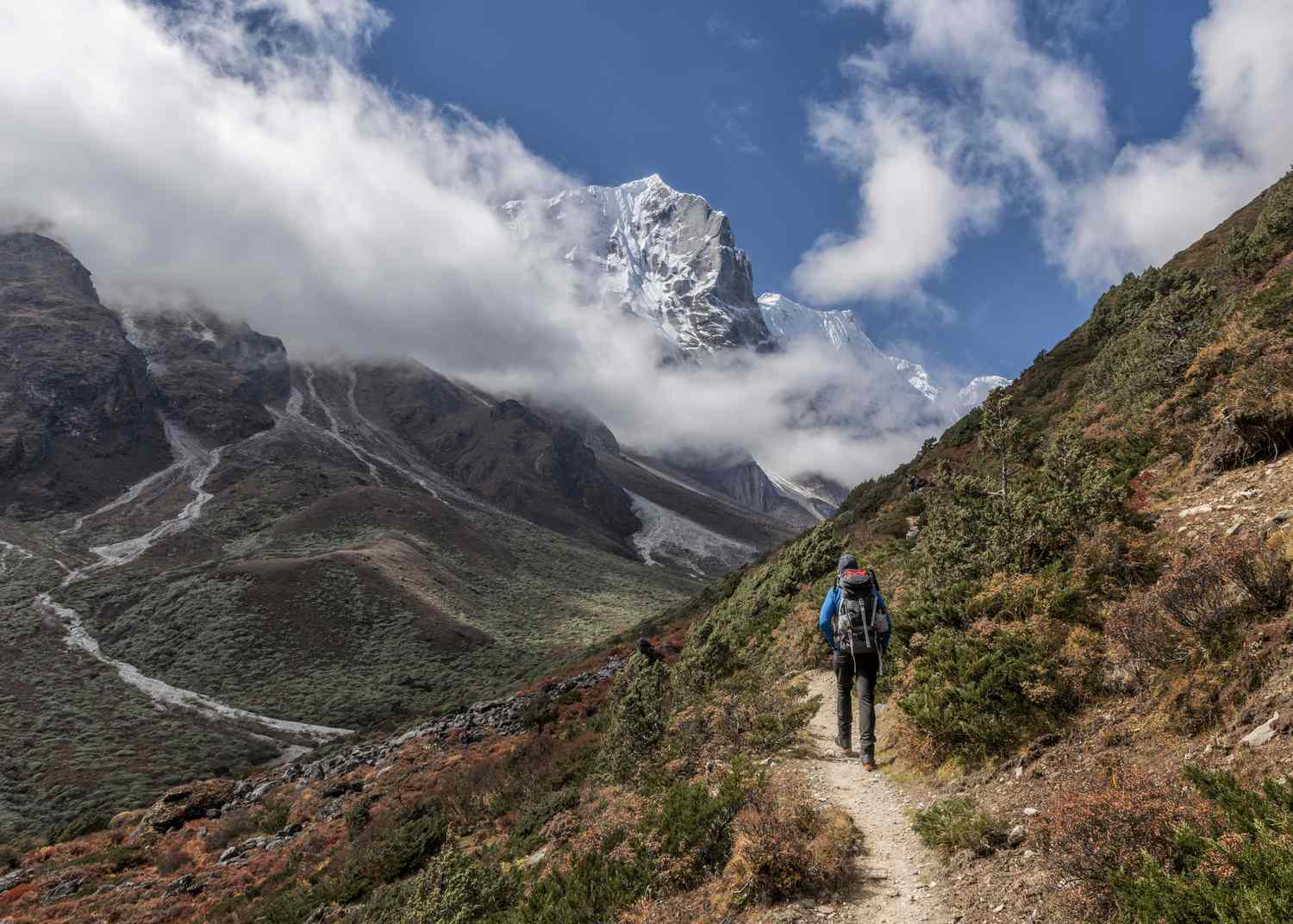
The Great Himalayan Trail (Upper Part)
Trip Overview
The Upper Great Himalaya Trail (High Route) is Nepal’s premier high-altitude trekking corridor, extending approximately 1,700 km from the Kanchenjunga region in the east to Hilsa on the Tibetan border in the west. The trail crosses over 22 passes above 5,000 meters, reaching a maximum elevation of 6,146 meters, and is rated as a “Grade 5 Extreme” route requiring advanced mountaineering skills, including glacier travel with ropes, ice axes, and crampons.
Traversing remote alpine terrain, glaciated valleys, and isolated villages, the route offers sustained exposure to challenging high-altitude environments and preserved Himalayan cultures. A complete traverse typically requires 150 days, though shorter segments of 1–4 weeks are achievable for acclimatized trekkers. The Upper GHT represents the pinnacle of long-distance Himalayan trekking for experienced mountaineers and trekkers seeking extreme endurance, technical challenge, and cultural immersion.
Detailed Itinerary
Upon arrival at Tribhuvan International Airport, our team will welcome you and transfer you to the hotel. Rest after your international flight, hydrate, and acclimatize to the city’s altitude. Evening briefing about the trek itinerary, local culture, and preparation tips.
Today is reserved for rest, last-minute shopping, and gear checks. Explore local markets for trekking supplies and souvenirs. Your guide will review maps, safety protocols, and trekking permits. Evening group meeting to discuss early morning departure.
Morning scenic flight to Bhadrapur. Transfer to Ilam, famous for its rolling tea gardens, rivers, and hillside trails. Gentle drive through rural landscapes, observing local Nepali village life. Overnight in Ilam.
Drive through terraced hills, lush forests, and rivers. Stop in small towns to experience rural markets and village culture. Taplejung is a gateway to the Kanchenjunga trek, surrounded by mid-hill forests and distant snow-capped peaks.
Begin trekking on gentle trails alongside rivers and waterfalls. Pass through terraced farmland and traditional hamlets. Interact with local families, observe traditional farming, and experience the first taste of Kanchenjunga’s rural culture.
The trail ascends through dense forests and small villages. Cross streams via suspension bridges and enjoy distant views of hills. Spot local flora such as rhododendrons and native birds. Amjilosa offers panoramic views of the Kanchenjunga foothills.
Climb gradually through remote villages and alpine pastures. Observe traditional houses and yak grazing areas. The trail offers scenic valleys, terraced hills, and occasional tea shops for refreshments.
Ascend into the Ghunsa valley. The village is a cultural hub of the Kirati people with monasteries and prayer flags. Rest day to explore the village, interact with locals, and prepare for higher altitudes.
Challenging climb through alpine terrain. Pass glacier-fed streams, moraines, and scattered herding settlements. Spectacular mountain vistas of Kanchenjunga and surrounding peaks. Camp overnight near Khangpachen.
Steep, rugged trail with high-altitude moraines and pastures. The landscape becomes barren with occasional hardy vegetation. Spot snowfields and distant glacial streams. Camp at Lhonak for acclimatization.
Early morning trek to the Base Camp. Panoramic views of Kanchenjunga’s massive peaks. Explore glacial surroundings, take photos, and return to Lhonak for overnight rest. High-altitude trekking experience and acclimatization.
Descend along alpine trails and past moraines. Observe the unique flora and fauna of the high Himalaya. Gentle trekking allows for rest and acclimatization.
Gradual descent through valleys and forests. Stop at local villages, interact with families, and observe traditional agricultural practices.
Terraced farmland and remote settlements offer insight into the Kirati and Limbu cultures.
Trail winds through alpine pastures and yak grazing lands. Enjoy views of distant Kanchenjunga peaks and small isolated huts along the trail.
Short, steep ascent for panoramic views of the surrounding mountains and valleys. Return to Kharka for overnight rest. Observe glacial streams and highland vegetation.
One of the most challenging days. Steep ascent through snowfields, rocky trails, and high pastures. Panoramic vistas of surrounding peaks reward the effort. Overnight near the pass.
Descend into alpine valleys. The trail passes through moraines, high-altitude lakes, and yak pastures. Thudam village offers a peaceful campsite and rest opportunity.
Moderate trekking day through high pastures. Observe nomadic herders, yaks, and unique alpine wildlife. Scenic mountain views continue throughout the trek.
Descend into the highland village of Chepuwa. Rest day to interact with locals, visit small monasteries, and explore the surrounding alpine terrain.
The trail descends through forested valleys, crossing streams and small suspension bridges. Pass Tamang settlements and terraced farms. Overnight in the village guesthouses.
Gentle climb through mixed forest and riverside trails. Remote hamlets provide a glimpse into rural Himalayan life.
Ascend through open alpine pastures dotted with traditional huts. The trail provides sweeping views of the Kanchenjunga range.
Gradual ascent through rolling pastures. Observe yak herding and grazing lands. The area is sparsely populated and offers pristine scenery.
The trail climbs along a ridgeline, offering panoramic views of mountains, valleys, and distant glaciers. Camp at High Camp for rest before continuing into the Makalu Region.
Today’s trek begins from High Camp, descending gradually into lush alpine meadows. The trail passes through scattered herder huts and yak pastures. Enjoy panoramic views of Makalu and surrounding peaks. Streams and glacial-fed rivers accompany the route. Overnight camping at Yangla Kharka offers a quiet highland environment.
The trail ascends steadily through rugged alpine terrain. You pass sparse highland settlements and observe local highland life, including yak herders and stone huts. Vegetation thins out as altitude increases, giving way to rocky trails and scree. Overnight at Langmale Kharka with spectacular views of surrounding peaks.
A steady, challenging climb takes you to Makalu Base Camp. The landscape becomes more glaciated with moraine trails and snow patches. Base Camp offers stunning views of Makalu’s summit and surrounding glaciers. Spend the day resting, exploring the camp, and acclimatizing.
Today involves trekking across a glacial valley. The trail includes moraine walks, small snowfields, and occasional ice crossings. Panoramic mountain views of Makalu and its ridges dominate the landscape. Overnight camping at Swiss Base Camp, a strategic point for climbers.
Steep terrain with moraines and ridges. High-altitude conditions make progress slower. Observe the massive Makalu massif and surrounding glaciers. Overnight at Sherpani Col Base Camp with unparalleled mountain views.
The trek crosses high ridges and snowfields. Extremely rugged terrain requires caution. Panoramic views include Makalu, Chamlang, and nearby Himalayan peaks. Camp at West Col Base Camp, one of the highest points in this section.
Descend slightly into Honku Basin, a remote alpine valley surrounded by towering peaks. The area is sparsely vegetated, with scattered rock formations and glacial streams. Overnight camping in this peaceful, isolated valley.
Ascend to Amphu Labsta Base Camp via moraine trails. Trekking is over rocky terrain and glacial debris. The Base Camp provides excellent views of nearby peaks and high glacial landscapes. Overnight at camp allows for acclimatization and rest.
Begin a gradual descent through alpine meadows, moraine trails, and scattered herder huts. The landscape transitions from glaciated terrain to green valleys and traditional villages. Chukung, a small Sherpa settlement, offers a restful overnight stop and preparation for the Solu Khumbu / Everest Region.
Descend through alpine meadows into rhododendron forests. Pass through small Sherpa villages and enjoy views of Ama Dablam. Reach Tengboche Monastery, the spiritual heart of the region.
Walk through forest trails and suspension bridges. Reach Namche, the Sherpa capital, with bustling markets. Acclimatize and explore local shops, cafes, and monasteries.
Trek along the Dudh Koshi valley, passing traditional Sherpa villages, mani walls, and prayer flags. Observe local lifestyle and yak herding.
Steep ascent into high alpine pastures. Glacier-fed streams and high peaks dominate the landscape.
A challenging day ascending to Cave Camp, used by climbers for acclimatization. Moraines, snowfields, and high passes require careful navigation.
Cross one of the highest passes in the region. Panoramic views of Everest, Lhotse, and surrounding peaks. Descend to Trakarding Glacier for camping.
Trek along rugged glacier trails and moraine paths. The region is remote, with few settlements, offering pristine mountain landscapes.
Descend steeply into the valleys. Villages appear again, with terraced fields and local agriculture.
Walk through cultivated land and village trails. Scenic hills surround the village, giving a taste of mid-hill Nepal.
The trek begins from Bulung, following forested paths and pine-covered slopes. You pass small settlements before reaching the serene Bigu Gompa, perched amidst quiet valleys. The monastery provides views of surrounding ridges and a taste of local culture.
Ascend steeply through alpine meadows and rocky ridges. The trail becomes more rugged as you approach the pass, with panoramic views of high peaks opening up along the way.
Traverse remote ridges and quiet valleys. The landscape is peaceful, dotted with wildlife, and the trail feels far from civilization.
Begin a long descent through terraced farmland and rivers. The lower hills welcome a warmer climate, and the scenery changes from alpine to subtropical forest.
Walk along forested trails and village paths. You pass small Tamang communities, experiencing local culture and hillside farming along the route.
Continue trekking through mixed forests and rolling hills. Cross small streams and walk along traditional village trails, observing local life.
Follow ridge paths and narrow valleys. The trail winds past terraced fields and traditional settlements, giving insight into rural Himalayan life.
Ascend gently through terraced fields and patches of forest. Small monasteries and prayer shrines dot the path.
The trail winds through dense forests and remote hamlets. The quiet villages are perfect for observing the daily lives of locals.
Trek through rolling hills, past traditional villages, and along community trails. The terrain is a mix of open fields and forested areas.
Climb to the sacred alpine lake of Gosaikunda. The trail passes rugged alpine terrain and smaller lakes before reaching this spiritual site, significant for both Hindu and Buddhist pilgrims.
Descend through forests and terraced fields to reach Syabru Besi. Take a rest day to explore the village and nearby waterfalls.
Continue trekking through mixed forests, terraced slopes, and small rural villages. Gatlang is a picturesque Tamang settlement surrounded by ridges.
Walk through forested valleys and farmland. The trail is quiet, offering views of surrounding hills and traditional village life.
Follow alpine pastures and remote trails. You pass grazing areas and traditional huts scattered across the hillside.
The trail ascends gradually through forested slopes and small hamlets, opening up to distant mountain views.
Cross ridges and gentle valleys, walking past terraced fields and sparsely populated villages.
Trek through a mix of forests and high pastures, following traditional routes used by local herders.
Descend through river valleys, crossing streams and forested slopes. Phillim is a welcoming village at the confluence of cultural and natural landscapes.
Ascend through lush valleys and hillside trails, passing small settlements and farmland along the route.
Trek through quiet forested paths and terraced fields. The trail gradually ascends, with views of distant peaks appearing along the ridges.
Enter high-altitude terrain, crossing open pastures and yak grazing areas. The landscape becomes rugged as you approach Samdo, a gateway to Manaslu region highlands.
Follow alpine valleys and high ridges. Bimtang is a picturesque settlement with panoramic views of surrounding peaks.
Descend through forested valleys and small villages. Rivers and terraced fields mark the landscape along the trail.
Walk through traditional villages and farmlands. The trail follows gentle ridges with glimpses of Annapurna ranges.
Ascend gradually along river valleys and terraced slopes. Reach Manang, a central settlement in the Annapurna region, and rest for acclimatization before higher passes.
The trek begins from Manang, gradually ascending through high alpine valleys and ridges. Yak pastures and scattered herder huts dot the landscape. As you climb higher, the air becomes thinner and the mountains loom closer, with panoramic views of surrounding peaks guiding your path toward the high camp.
An early start to cross Thorung La Pass. The trail winds over snowfields, rocky ridges, and high-altitude terrain. Upon reaching the pass, enjoy breathtaking 360° views of the Annapurna and Dhaulagiri ranges. Descend through open valleys toward the sacred town of Muktinath, where ancient temples and Tibetan-style monasteries offer cultural richness.
Follow a semi-arid trail along high valley slopes. The landscape transitions from alpine peaks to more arid hillsides. Traditional villages appear along the route, and the Kali Gandaki River provides a scenic backdrop. Kagbeni, a historical settlement, marks the gateway to the lower Mustang-style terrain.
Trek along rolling hills and gentle ridges, passing small farms and herder huts. The trail offers quiet valleys, grazing yak, and occasional glimpses of distant peaks. Goat Kharka is a peaceful settlement ideal for highland trekking experiences.
Ascend gradually through alpine pastures and scattered stone huts. The route crosses ridges and small streams. Santa, a small highland village, offers remote beauty and views of nearby snow-capped peaks.
Follow traditional trails through yak pastures and alpine meadows. The open ridges provide continuous panoramic views of surrounding mountains. Local herders may be seen along the route, tending livestock.
A steep climb takes you higher into rugged alpine terrain. Glacial streams and rocky ridges dominate the landscape. Nulungsunda Kharka lies beneath massive peaks, giving trekkers a sense of isolation and vast high-altitude wilderness.
Descend slightly into broad valleys with scattered alpine pastures. The trail passes small herder settlements and stone huts, and the open meadows provide clear views of Ganesh Himal ranges.
The trek continues along high ridges and gentle alpine slopes. Isolated valleys and distant glaciers create a dramatic backdrop as you follow the traditional path through this remote region.
Descend into Dho Tarap, a serene settlement tucked into the high valleys. The surrounding ridges are dotted with traditional stone houses, and the area offers a peaceful environment for a rest day before entering the Dolpo region.
Depart Dho Tarap and enter the Dolpo highlands. The trail climbs steadily through alpine valleys with sparse vegetation, glacial streams, and yak pastures. Danigar is a remote settlement surrounded by rugged peaks.
Descend gradually into lush valleys dotted with small villages and prayer flags. Ringmo, near Phoksundo Lake, is a quiet hamlet known for its scenic setting and local Tibetan culture.
Continue along the lake’s perimeter, passing alpine meadows, rivers, and isolated herder huts. The camp offers views of turquoise Phoksundo Lake and surrounding peaks.
Ascend through high ridges and open valleys. Snow patches may appear at higher elevations. Pass Camp serves as a strategic point before reaching higher glacial areas.
Follow the trail through narrow valleys and moraine ridges to reach Shey Gompa, an ancient monastery perched above the valley. The surrounding views of peaks and glaciers are dramatic.
Descend slightly into Bhijer village, a quiet settlement. Take a rest day to explore local life, interact with villagers, and enjoy the serene environment.
Climb through alpine pastures and high ridges with scattered stone huts. The trail offers panoramic views of the Dolpo mountains and valleys.
Ascend along steep slopes and glacial streams. Pung Kharka is surrounded by high peaks and is often a grazing ground for yaks and dzos.
Navigate through moraine trails, rocky terrain, and small alpine streams. The landscape is remote and dramatic, providing a sense of isolation.
Descend through high valleys and ridges. Takla Khola lies in a serene valley with flowing rivers and scattered herder huts.
Climb along rocky ridges and open alpine meadows. Thajuchaur is a high pasture area surrounded by rugged mountains.
A long descent through river valleys and terraced farmland. The trail gradually transitions from alpine to lower subalpine landscapes.
Continue descending through forests, small villages, and cultivated fields. Mangri is a traditional settlement in the lower Dolpo region.
Follow forest trails and rivers through rural landscapes. Gum Gadhi is a remote village with traditional stone houses.
Climb gradually to reach Rara Lake, Nepal’s largest lake, surrounded by pine forests and mountains. The pristine lake is perfect for photography and short exploration.
Descend through forested valleys and small settlements. Bam is a quiet village with scenic surroundings.
Ascend through hilly trails and open pastures. Jogimara is a highland hamlet with wide mountain vistas.
A long descent through river valleys and farmland. Piplan is a small rural settlement in lower Mugu.
Ascend to Apsia Pass, crossing ridges and alpine pastures. The pass offers sweeping views of the surrounding peaks and valleys.
Descend through high valleys and forested ridges. Punkha Khola lies in a serene location near river banks.
Continue descending along rivers and through farmland. River Camp is a tranquil spot ideal for resting after a long day of trekking.
Gradual ascent into the district headquarters of Dolpo. Simikot is a bustling town with local markets, offering the first major settlement after weeks of remote trekking.
Descend through forested valleys and cultivated farmland. Dharapuri is a quiet settlement with local cultural charm.
Climb gradually through rolling hills, forest patches, and small villages. Kermi offers scenic views of the surrounding ridges.
Ascend through alpine pastures and river valleys. Yalbang is a small village surrounded by mountain ridges.
Climb along forested trails and rocky ridges. Thumkot provides wide-open views of the distant high mountains.
Steep ascent through high valleys, alpine pastures, and scattered herder huts. Yari sits at the edge of high Dolpo ridges.
Navigate rocky trails and glacial streams. Hilsa is a small settlement near the border with Tibet, acting as a gateway to remote high valleys.
Climb through the high pass Nara La, with breathtaking panoramic views of Dolpo and Tibet. The pass is one of the most scenic points of this trek.
Descend back to Simikot along ridges and forested valleys, completing the high Dolpo circuit. The town offers local markets and cultural interaction.
After completing the trekking circuit in Humla, take an early morning flight from Simikot to Nepalgunj. The flight offers aerial views of the western Himalayas, deep valleys, and rivers as you descend into the Terai plains. Upon arrival in Nepalgunj, you have a chance to relax, explore the small town, or rest in your hotel after weeks of trekking.
Catch a domestic flight from Nepalgunj to Kathmandu. The flight passes over the Terai plains and offers distant views of the Himalayan ranges. On arrival in Kathmandu, you can rest, do last-minute shopping, visit cultural sites, or enjoy a celebratory dinner reflecting on your long trek across Nepal’s diverse landscapes.
Transfer to Tribhuvan International Airport for your onward journey. Depending on your flight schedule, you may have free time in the morning for a short city walk or souvenir shopping. Depart Kathmandu with memories of the Great Himalayan Trail, spanning high mountains, remote valleys, cultural villages, and pristine alpine landscapes.
What's Included
- Airport pickup & drop.
- Three star hotel accommodation in Kathmandu (B&B).
- All domestic flights & ground transport.
- Licensed trekking guide, porter, and crew insurance/equipment.
- City sightseeing with entrance fees & private transport.
- First-aid kit, satellite phone, and climbing equipment.
- Accommodation during trek (teahouses/homestays) & three meals/day.
- National park permits & government taxes.
- Complimentary duffel bag & farewell dinner.
What's not Included
- Nepal entry visa & international flights.
- Personal expenses (Wi-Fi, charging, snacks, drinks, hot showers).
- City meals (lunch & dinner).
- Personal travel insurance (emergency rescue).
- Tips for guides, porters, drivers.
- Bank transfer/transaction charges.
Book This Trip
Related Trips
Let your travels tell a story—crafted by locals, inspired by mountains, and lived by you.
Our Community
Customer satisfaction is our major goal. See what our clients are saying about our services.